
As a leading keg filling supplier, I've witnessed firsthand the importance of an efficient and effective liquid transfer process into kegs. The method chosen can significantly impact the quality of the product, the speed of production, and the overall cost - effectiveness of the operation. In this blog, I'll explore the best ways to transfer liquid into a keg during filling, taking into account various factors such as the type of liquid, the keg design, and the production scale.
Gravity Filling
Gravity filling is one of the oldest and simplest methods of transferring liquid into a keg. This process relies on the force of gravity to move the liquid from a higher - level container to the keg. The basic setup involves a tank or vessel placed above the keg, with a hose or pipe connecting the two. As the valve on the hose is opened, the liquid flows down into the keg due to gravity.
One of the main advantages of gravity filling is its simplicity. It requires minimal equipment and is relatively easy to set up and operate. There are no complex pumps or electrical components involved, which reduces the risk of mechanical failure. Additionally, gravity filling is a gentle process that minimizes the agitation of the liquid, which is beneficial for products like beer and wine that can be sensitive to excessive aeration.
However, gravity filling also has its limitations. The filling speed is relatively slow, as it depends on the height difference between the liquid source and the keg and the viscosity of the liquid. For large - scale production, this method may not be efficient enough to meet the demand. Also, achieving consistent fill levels can be challenging, especially when filling multiple kegs, as the liquid level in the source container gradually decreases.
Pressure Filling
Pressure filling is a more advanced method that uses external pressure to force the liquid into the keg. This can be achieved using a pump or compressed gas. In a pump - driven pressure filling system, a pump is used to draw the liquid from the source and push it into the keg at a controlled rate. Compressed gas, such as carbon dioxide or nitrogen, can also be used to create pressure and drive the liquid into the keg.
The main advantage of pressure filling is its speed. It can fill kegs much faster than gravity filling, making it suitable for high - volume production. Pressure filling also allows for more precise control of the fill level, as the pressure can be adjusted to ensure consistent results. Moreover, it can handle a wider range of liquid viscosities, making it versatile for different types of products.
On the downside, pressure filling systems are more complex and expensive to set up and maintain. The pumps and valves require regular maintenance to ensure proper operation, and there is a higher risk of mechanical failure compared to gravity filling. Additionally, if not properly controlled, the high - pressure filling process can cause excessive foaming and aeration, which can affect the quality of the product.
Vacuum Filling
Vacuum filling is another method commonly used in keg filling. This process involves creating a vacuum inside the keg before introducing the liquid. The vacuum draws the liquid into the keg, similar to how a syringe works. The basic steps of vacuum filling include evacuating the air from the keg using a vacuum pump, opening a valve to allow the liquid to flow into the keg, and then breaking the vacuum once the desired fill level is reached.
One of the key benefits of vacuum filling is its ability to remove air from the keg before filling. This is particularly important for products that are sensitive to oxidation, such as wine and some types of beer. By eliminating oxygen from the keg, the shelf - life of the product can be extended, and the flavor and quality can be better preserved. Vacuum filling also provides a consistent fill level, as the liquid is drawn in until the pressure inside the keg equalizes.
However, vacuum filling systems are relatively complex and require specialized equipment, including a vacuum pump and a control system. The initial investment for these systems can be high, and they also require regular maintenance to ensure proper functioning. Additionally, the filling speed may be slower compared to pressure filling, especially for large - volume kegs.
Considerations for Different Liquids
The type of liquid being filled into the keg is an important factor in determining the best filling method. For example, beer is a carbonated beverage that is sensitive to both aeration and over - carbonation. Gravity filling or gentle pressure filling methods are often preferred to minimize the loss of carbonation and the introduction of oxygen. Vacuum filling can also be a good option, as it helps to remove oxygen from the keg.
Wine, on the other hand, is more sensitive to oxidation. Vacuum filling is an ideal method for wine keg filling, as it can effectively remove air from the keg and prevent the wine from spoiling. For wineries, there are specialized machines available, such as the Negative Pressure Wine Bottle Filling, Corking and Sticker Labeling Machine for Winery, which can be adapted for keg filling as well. These machines ensure a precise and oxygen - free filling process.
For non - carbonated and less sensitive liquids, such as fruit juices or water, pressure filling may be the most efficient option. It can quickly fill the kegs to the desired level, and the equipment can be easily adjusted to handle different volumes and viscosities.
Production Scale
The scale of production also plays a crucial role in choosing the best filling method. For small - scale operations, such as craft breweries or home winemakers, gravity filling or simple pressure filling systems may be sufficient. These methods are cost - effective and easy to operate, and they can meet the relatively low production volume requirements.
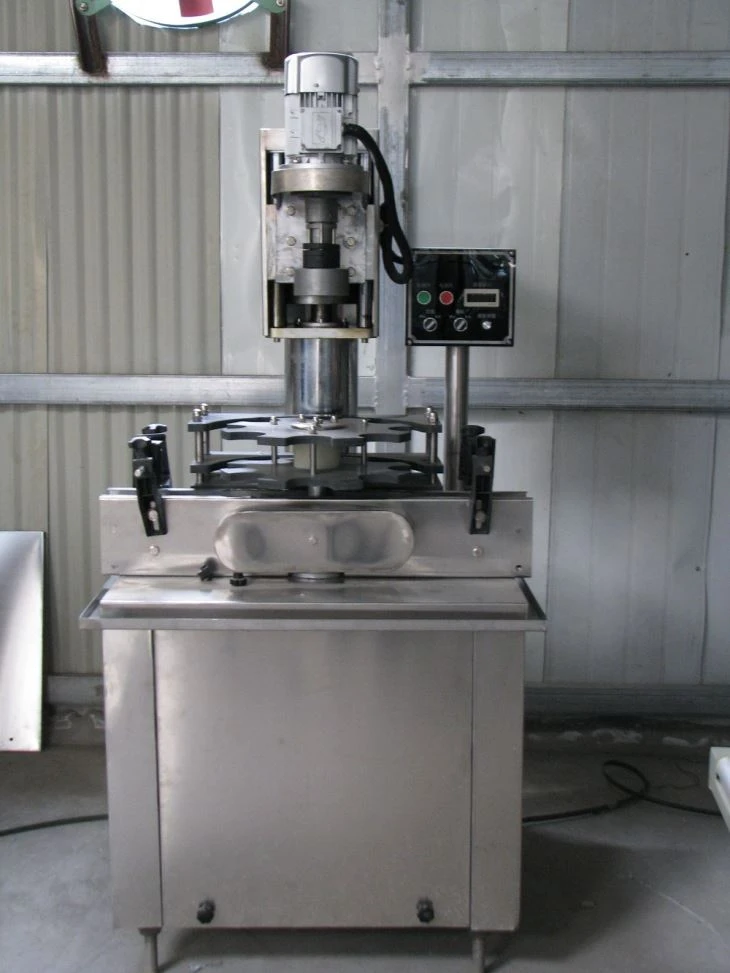

In contrast, large - scale commercial operations require high - speed and automated filling systems. Pressure filling and vacuum filling systems are more suitable for these operations, as they can fill a large number of kegs quickly and accurately. Automated systems can also integrate with other production processes, such as cleaning and labeling, to improve overall efficiency.
Equipment Selection
When selecting the equipment for keg filling, it's important to consider the specific requirements of your operation. Look for equipment that is reliable, easy to clean, and can be easily adjusted for different keg sizes and liquid types. For example, a Wine Packing Machine can be a great investment for wineries, as it can handle the entire filling and packaging process. Similarly, a Wine Bottle Filler can be adapted for keg filling in some cases.
Conclusion
In conclusion, there is no one - size - fits - all answer to the question of the best way to transfer liquid into a keg during filling. The choice of method depends on various factors, including the type of liquid, the production scale, and the specific requirements of the operation. Gravity filling is simple and gentle, pressure filling is fast and precise, and vacuum filling is ideal for oxygen - sensitive products.
As a keg filling supplier, we are committed to providing our customers with the best solutions for their keg filling needs. Whether you are a small - scale producer or a large - scale commercial operation, we have the expertise and equipment to help you achieve efficient and high - quality keg filling. If you are interested in learning more about our keg filling solutions or have any questions, please don't hesitate to contact us for a consultation. We look forward to working with you to optimize your keg filling process.
References
- "Beverage Packaging Technology" by John Wiley & Sons.
- "Principles of Food Packaging" by CRC Press.
- Industry whitepapers on keg filling and packaging.