

Corrosion is a persistent challenge in the operation of keg washers, a crucial piece of equipment in the brewing industry. As a keg washer supplier, I understand the importance of preventing corrosion to ensure the longevity and efficiency of these machines. In this blog post, I will share some effective strategies to prevent corrosion in keg washers, drawing on my experience and industry knowledge.
Understanding the Causes of Corrosion in Keg Washers
Before delving into prevention methods, it is essential to understand the factors that contribute to corrosion in keg washers. Corrosion is a natural process that occurs when metal reacts with its environment, typically due to the presence of moisture, oxygen, and certain chemicals. In the context of keg washers, the following factors can accelerate corrosion:
- Chemical Cleaners: Keg washers use various chemical cleaners to remove dirt, debris, and bacteria from kegs. Some of these cleaners, such as alkaline detergents and acidic sanitizers, can be corrosive to certain metals if not used correctly.
- Hard Water: Hard water contains high levels of minerals, such as calcium and magnesium, which can form scale deposits on the surfaces of keg washers. These scale deposits can trap moisture and chemicals, creating an ideal environment for corrosion to occur.
- Moisture: Keg washers operate in a wet environment, which means that the metal components are constantly exposed to moisture. Prolonged exposure to moisture can lead to the formation of rust and other forms of corrosion.
- Oxygen: Oxygen is a key component in the corrosion process. When metal is exposed to oxygen in the presence of moisture, it undergoes a chemical reaction that results in the formation of metal oxides, such as rust.
Strategies to Prevent Corrosion in Keg Washers
Based on the causes of corrosion outlined above, the following strategies can be implemented to prevent corrosion in keg washers:
1. Select the Right Materials
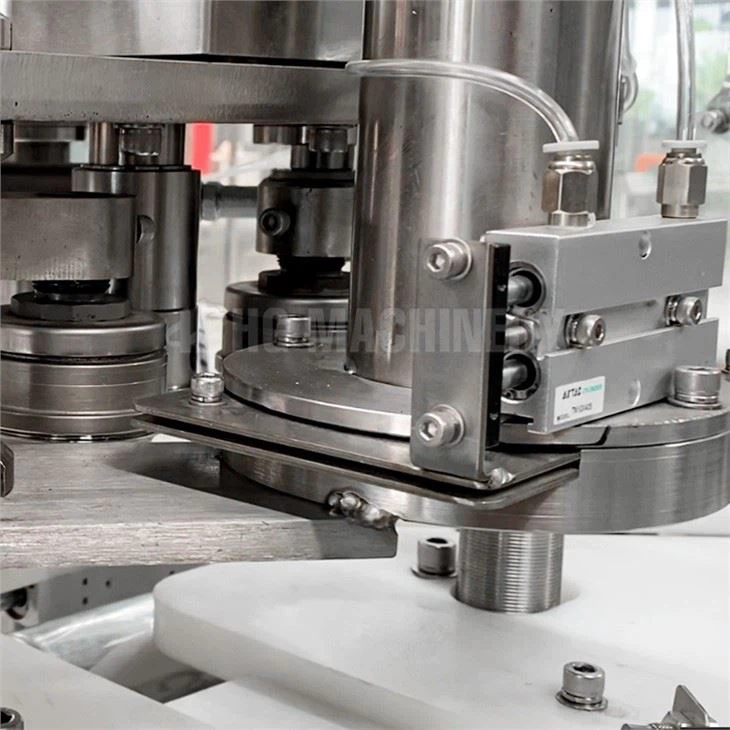
The choice of materials for keg washers is crucial in preventing corrosion. When selecting a keg washer, it is important to choose one that is made from corrosion-resistant materials, such as stainless steel. Stainless steel is a popular choice for keg washers because it is highly resistant to corrosion and can withstand the harsh chemicals and high-pressure cleaning processes used in keg washing.
In addition to stainless steel, other corrosion-resistant materials that can be used in keg washers include plastic and ceramic. These materials are lightweight, durable, and resistant to chemicals, making them suitable for use in various components of keg washers, such as nozzles, valves, and tubing.
2. Use the Right Chemicals
As mentioned earlier, some chemical cleaners used in keg washers can be corrosive to certain metals. To prevent corrosion, it is important to use the right chemicals and follow the manufacturer's instructions carefully. When selecting chemical cleaners, choose products that are specifically designed for use in keg washers and are compatible with the materials used in the machine.
In addition to using the right chemicals, it is also important to use the correct concentration and temperature of the cleaning solution. Using a higher concentration of chemicals or a higher temperature than recommended can increase the risk of corrosion.
3. Maintain Proper Water Quality
Hard water can cause scale deposits and corrosion in keg washers. To prevent these problems, it is important to maintain proper water quality by using a water softener or a water treatment system. A water softener removes the minerals from hard water, preventing the formation of scale deposits and reducing the risk of corrosion.
In addition to using a water softener, it is also important to monitor the water quality regularly and adjust the water treatment system as needed. This will ensure that the water used in the keg washer is of the right quality and does not contain any contaminants that could cause corrosion.
4. Keep the Keg Washer Dry
Moisture is one of the main causes of corrosion in keg washers. To prevent corrosion, it is important to keep the keg washer dry when not in use. After each use, drain the water from the keg washer and dry the surfaces thoroughly using a clean, dry cloth.
In addition to drying the keg washer after each use, it is also important to store the machine in a dry, well-ventilated area. This will help to prevent moisture from accumulating on the surfaces of the keg washer and reduce the risk of corrosion.
5. Perform Regular Maintenance
Regular maintenance is essential in preventing corrosion in keg washers. This includes inspecting the machine regularly for signs of corrosion, such as rust or discoloration, and taking appropriate action to address any problems.
In addition to inspecting the keg washer regularly, it is also important to perform routine maintenance tasks, such as cleaning the nozzles, valves, and tubing, and replacing any worn or damaged components. This will help to ensure that the keg washer is operating efficiently and effectively and reduce the risk of corrosion.
Additional Tips for Preventing Corrosion in Keg Washers
In addition to the strategies outlined above, the following tips can also help to prevent corrosion in keg washers:
- Use a Corrosion Inhibitor: A corrosion inhibitor is a chemical compound that can be added to the cleaning solution to prevent corrosion. Corrosion inhibitors work by forming a protective layer on the surfaces of the keg washer, preventing the metal from coming into contact with moisture and chemicals.
- Avoid Overloading the Keg Washer: Overloading the keg washer can cause the cleaning solution to splash onto the surfaces of the machine, increasing the risk of corrosion. To prevent this, it is important to follow the manufacturer's instructions and avoid overloading the keg washer.
- Train Your Staff: Proper training is essential in preventing corrosion in keg washers. Make sure that your staff is trained on how to use the keg washer correctly, including how to select the right chemicals, maintain proper water quality, and perform regular maintenance.
Conclusion
Corrosion is a common problem in keg washers, but it can be prevented by following the strategies outlined in this blog post. By selecting the right materials, using the right chemicals, maintaining proper water quality, keeping the keg washer dry, and performing regular maintenance, you can ensure that your keg washer operates efficiently and effectively for many years to come.
If you are in the market for a keg washer or need help preventing corrosion in your existing keg washer, please contact us. We are a leading supplier of Craft Beer Canning Line, Beer Factory Machinery, and Brewery Canning Machine, and we have the expertise and experience to help you find the right solution for your needs. Contact us today to learn more about our products and services and to schedule a consultation.
References
- "Corrosion Prevention in Industrial Equipment." National Association of Corrosion Engineers (NACE), 2023.
- "Keg Washer Maintenance Guide." Brewers Association, 2023.
- "Water Treatment for Keg Washers." Water Quality Association, 2023.


