

As a buffer tank supplier, I've witnessed firsthand the significant impact these systems have on water temperature regulation. In this blog, I'll delve into the science behind buffer tanks and how they interact with water temperature, offering insights that can be invaluable for both residential and commercial applications.
Understanding Buffer Tanks
Before we explore the relationship between buffer tanks and water temperature, it's essential to understand what a buffer tank is. A buffer tank is a storage vessel that holds a volume of water, acting as a thermal reservoir in a heating or cooling system. It helps to balance the supply and demand of energy, ensuring a more stable and efficient operation.
In a typical heating system, for example, the buffer tank stores hot water heated by a boiler. When the demand for heat increases, the buffer tank releases the stored hot water, reducing the need for the boiler to cycle on and off frequently. This not only improves the system's efficiency but also extends the lifespan of the boiler.
How Buffer Tanks Affect Water Temperature
Temperature Stabilization
One of the primary ways a buffer tank affects water temperature is by stabilizing it. In a heating system, the boiler heats water to a set temperature and pumps it into the buffer tank. The buffer tank then stores this hot water until it's needed. When a heating demand arises, the hot water from the buffer tank is circulated through the heating system, providing a consistent supply of warm water.
This process helps to prevent rapid temperature fluctuations in the heating system. Without a buffer tank, the boiler would have to respond immediately to changes in demand, which could lead to uneven heating and discomfort. By storing hot water, the buffer tank acts as a buffer, smoothing out these fluctuations and maintaining a more stable water temperature.
Reducing Boiler Cycling
Another significant advantage of a buffer tank is its ability to reduce boiler cycling. Boiler cycling occurs when the boiler turns on and off frequently to meet the changing demand for heat. This can be inefficient and lead to increased wear and tear on the boiler.
A buffer tank helps to reduce boiler cycling by storing excess heat. When the boiler reaches the set temperature, it can continue to operate for a short period, heating the water in the buffer tank. This stored heat can then be used to meet future heating demands, reducing the need for the boiler to cycle on and off as often.
Improving Energy Efficiency
By stabilizing water temperature and reducing boiler cycling, buffer tanks can significantly improve the energy efficiency of a heating system. When the boiler operates more efficiently, it consumes less fuel and produces fewer emissions. This not only saves money on energy bills but also helps to reduce the environmental impact of the heating system.
In addition, buffer tanks can be used in conjunction with renewable energy sources, such as solar thermal panels or heat pumps. These systems often produce heat intermittently, and a buffer tank can store the excess heat for use when the renewable energy source is not producing enough heat. This helps to maximize the use of renewable energy and further improve the energy efficiency of the heating system.

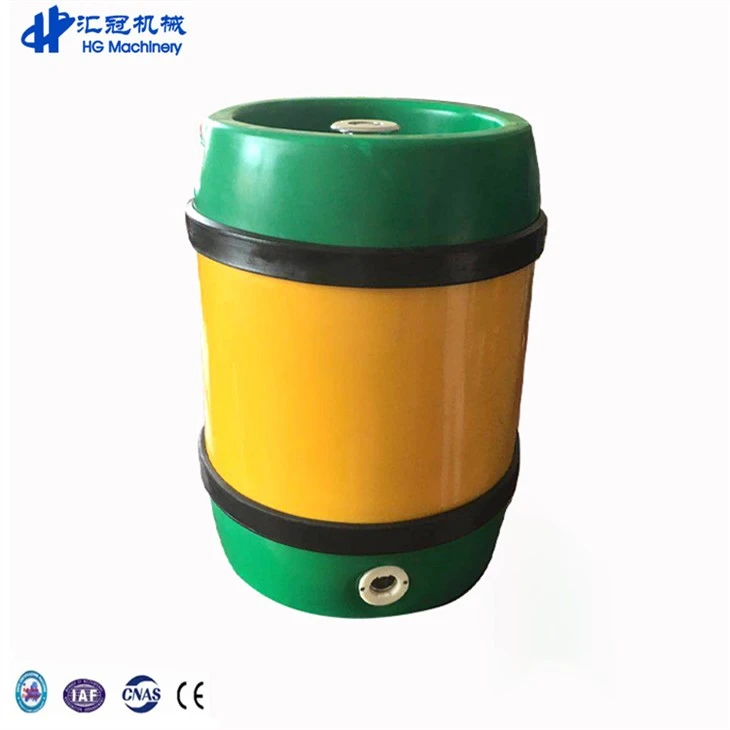
Applications of Buffer Tanks
Residential Heating Systems
In residential heating systems, buffer tanks are commonly used in combination with boilers or heat pumps. They help to provide a consistent supply of hot water for space heating and domestic hot water. By reducing boiler cycling and improving energy efficiency, buffer tanks can save homeowners money on energy bills and increase the comfort of their homes.
Commercial Heating and Cooling Systems
In commercial applications, buffer tanks are often used in large-scale heating and cooling systems. They can help to balance the load on the system, ensuring a more stable and efficient operation. For example, in a hotel or office building, a buffer tank can store hot water during off-peak hours and release it during peak demand, reducing the strain on the boiler and improving the overall performance of the heating system.
Industrial Processes
Buffer tanks are also used in various industrial processes that require precise temperature control. For example, in the Drum Malting System, a buffer tank can be used to store hot water at a specific temperature for the malting process. This helps to ensure a consistent quality of the malt and improve the efficiency of the production process.
Factors to Consider When Choosing a Buffer Tank
When choosing a buffer tank for your heating or cooling system, there are several factors to consider. These include:
Size
The size of the buffer tank is crucial. It should be large enough to store enough hot water to meet the peak demand of the system but not so large that it becomes inefficient. A professional heating engineer can help you determine the appropriate size of the buffer tank based on the size of your building, the heating or cooling load, and the type of system you have.
Material
Buffer tanks are typically made from steel, stainless steel, or plastic. Each material has its advantages and disadvantages. Steel tanks are durable and relatively inexpensive, but they may require regular maintenance to prevent corrosion. Stainless steel tanks are more expensive but are highly resistant to corrosion. Plastic tanks are lightweight and easy to install, but they may not be suitable for high-temperature applications.
Insulation
The insulation of the buffer tank is also important. A well-insulated buffer tank will help to reduce heat loss and improve the energy efficiency of the system. Look for a buffer tank with high-quality insulation, such as foam insulation or fiberglass insulation.
Conclusion
In conclusion, buffer tanks play a crucial role in regulating water temperature in heating and cooling systems. They help to stabilize water temperature, reduce boiler cycling, and improve energy efficiency. Whether you're a homeowner looking to improve the comfort of your home or a business owner seeking to optimize the performance of your industrial processes, a buffer tank can be a valuable addition to your system.
If you're interested in learning more about buffer tanks or are considering purchasing one for your application, I encourage you to [contact us](insert contact details). Our team of experts can provide you with more information, answer your questions, and help you choose the right buffer tank for your needs.
References
- ASHRAE Handbook of HVAC Systems and Equipment. American Society of Heating, Refrigerating and Air-Conditioning Engineers.
- "Principles of Thermal Energy Storage." Thermal Energy Storage: Systems and Applications. Edited by J. K. Spitler. John Wiley & Sons, 2015.
- "Buffer Tanks in Hydronic Heating Systems." Hydronic Heating: Design, Installation, and Maintenance. Edited by Dan Holohan. Taunton Press, 2005.


