
Hey there! As a dryer supplier, I've seen my fair share of dryers that just aren't doing their job right. It can be super frustrating when you toss in a load of wet clothes, expecting them to come out dry and cozy, but instead, they're still damp. Don't worry, though. I'm here to walk you through some common issues and how to troubleshoot a dryer that's not drying clothes properly.
Check the Basics First
Before you start tearing your dryer apart, it's always a good idea to check the basics. First off, make sure the dryer is plugged in and that the circuit breaker hasn't tripped. Sounds obvious, but you'd be surprised how often this simple step gets overlooked. Also, take a look at the dryer settings. Maybe you accidentally set it to a lower heat or a shorter cycle. Adjust these settings to ensure you're using the appropriate heat level and cycle time for the type of clothes you're drying.
Clean the Lint Filter
One of the most common reasons a dryer doesn't dry clothes properly is a clogged lint filter. The lint filter traps all the lint and debris from your clothes, and if it gets too full, it restricts the airflow in the dryer. This means that the hot air can't circulate effectively, and your clothes won't dry as quickly. So, every time you use the dryer, make sure to clean the lint filter. It's usually located inside the dryer door or on top of the dryer. Just pull it out, remove the lint, and give it a quick rinse under the tap if it's really dirty.
Inspect the Exhaust Vent
The exhaust vent is another crucial part of your dryer. It's the tube that carries the hot, moist air from the dryer to the outside. If this vent gets blocked, the hot air can't escape, and your dryer will have a hard time drying your clothes. Start by checking the vent outside your house. Make sure there's no debris, like leaves or bird nests, blocking the opening. Then, use a vent brush to clean the inside of the vent tube. You can usually find these brushes at your local hardware store. If the vent is really long or hard to reach, you might want to consider hiring a professional to clean it for you.
Check the Heating Element
If your dryer is running but not getting hot, the heating element might be the problem. The heating element is what warms up the air inside the dryer. Over time, it can burn out or become damaged. To check the heating element, you'll need to unplug the dryer and remove the back panel. Be careful when doing this, as there are usually sharp edges and electrical components inside. Once you've removed the panel, locate the heating element. It's usually a long, coiled wire. Use a multimeter to test the continuity of the heating element. If it doesn't have continuity, it means the element is bad and needs to be replaced. You can find replacement heating elements at most appliance parts stores or online.

Examine the Thermostat
The thermostat is another component that can cause problems with your dryer's heating. The thermostat regulates the temperature inside the dryer. If it's not working properly, the dryer might not get hot enough or might overheat. To test the thermostat, you'll need to use a multimeter again. Unplug the dryer and remove the control panel to access the thermostat. Disconnect the wires from the thermostat and test it for continuity. If it doesn't have continuity, it's likely that the thermostat is bad and needs to be replaced.
Look at the Belt
The belt is what turns the drum in your dryer. If the belt is broken or loose, the drum won't turn properly, and your clothes won't dry evenly. To check the belt, unplug the dryer and remove the front panel. Look for the belt that wraps around the drum and the motor pulley. If the belt is broken, you'll need to replace it. You can find replacement belts at appliance parts stores or online. Replacing the belt can be a bit tricky, so if you're not comfortable doing it yourself, you might want to call a professional.
Consider the Load Size
Sometimes, the problem isn't with the dryer itself but with how you're using it. Overloading the dryer can prevent the clothes from tumbling freely, which means they won't dry as effectively. Make sure you're not putting too many clothes in the dryer at once. As a general rule, leave about one-third of the drum empty to allow for proper airflow and tumbling.
Other Components to Check
There are a few other components in your dryer that can cause problems if they're not working correctly. For example, the moisture sensor can sometimes malfunction. The moisture sensor is what tells the dryer when the clothes are dry. If it's not working properly, the dryer might stop too soon or keep running for too long. You can test the moisture sensor using a multimeter, but if you're not sure how to do this, it's best to call a professional.
Another component to check is the blower wheel. The blower wheel is what circulates the air inside the dryer. If it's clogged or damaged, it can restrict the airflow. You'll need to remove the blower housing to access the blower wheel. Clean it if it's dirty or replace it if it's damaged.
When to Call a Professional
If you've tried all these troubleshooting steps and your dryer still isn't drying clothes properly, it might be time to call a professional. A trained technician will have the tools and expertise to diagnose and fix the problem. They can also perform a thorough inspection of your dryer to make sure there aren't any other underlying issues.
Related Products
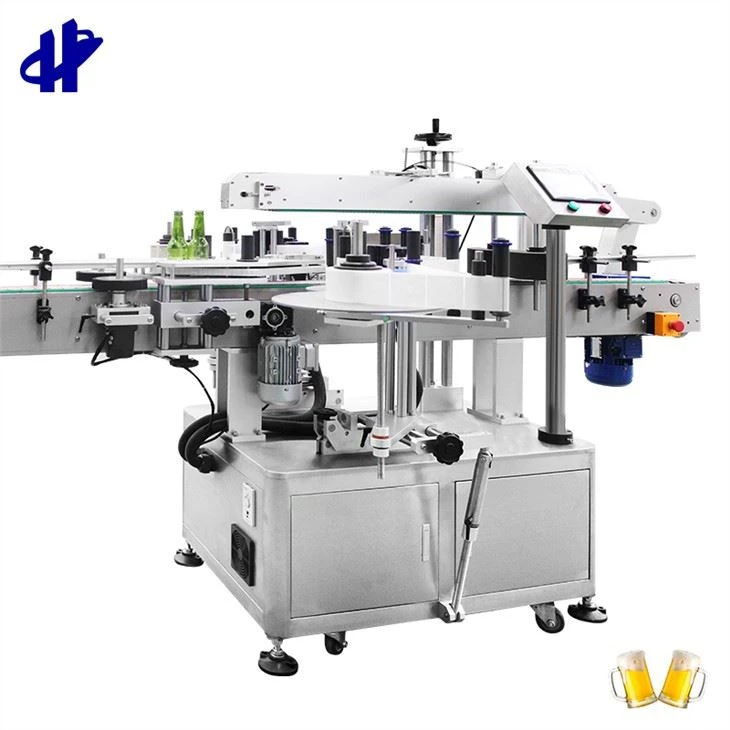
If you're in the market for some related products, we also offer a variety of items that might interest you. Check out our Stainless Steel 20L 30L 50L Beer Keg Barrel for your brewing needs. We also have Buffer Tanks that can be useful in various applications. And if you need to label your products, our Labeler is a great option.
Contact Us for Purchasing
If you're interested in purchasing a new dryer or any of our other products, or if you have any questions about troubleshooting your dryer, don't hesitate to reach out. We're here to help you find the best solutions for your needs. Whether you're a homeowner looking for a reliable dryer or a business in need of multiple units, we've got you covered.
References
- Appliance Repair Manuals
- Online Appliance Forums
- Manufacturer's Guides