

As a seasoned Keg Filling supplier, I've witnessed firsthand the critical role that proper keg filling plays in the beverage industry. A well - filled keg is essential for maintaining product quality, ensuring customer satisfaction, and optimizing operational efficiency. However, there are times when kegs are filled poorly, which can lead to a host of problems. In this blog, I'll share some of the tell - tale signs of a poorly filled keg.
1. Inconsistent Fill Levels
One of the most obvious signs of a poorly filled keg is inconsistent fill levels. When you have a batch of kegs, they should all be filled to a relatively uniform level. If you notice significant variations in the fill heights from one keg to another, it's a red flag.
There are several reasons why this might occur. Faulty filling equipment is a common culprit. For example, if the filling valves are not calibrated correctly or are worn out, they may not dispense the same amount of liquid into each keg. Additionally, issues with the pressure control system can also lead to inconsistent fills. If the pressure during the filling process fluctuates, it can cause some kegs to be under - filled while others are over - filled.
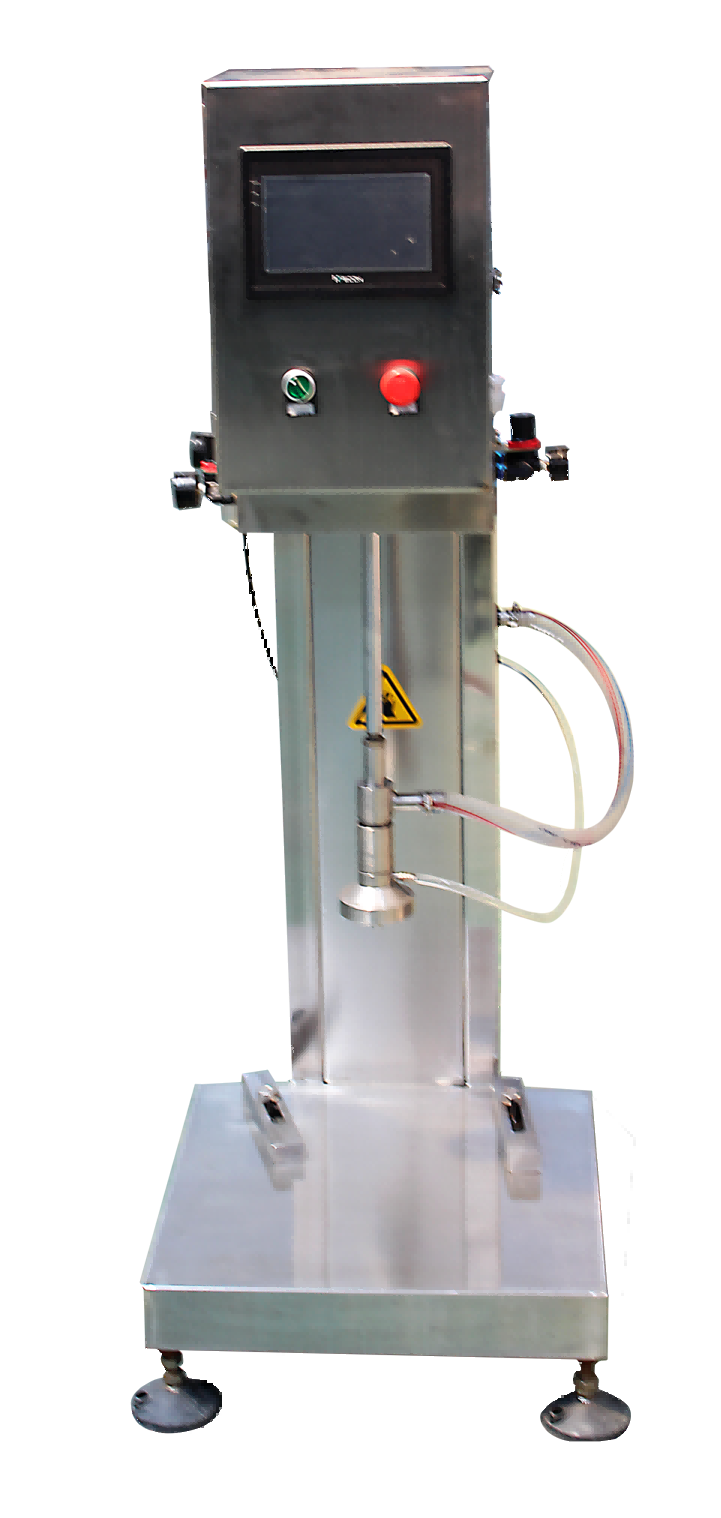
As a Keg Filling supplier, we offer state - of the - art filling machines that are designed to provide precise and consistent fill levels. Our machines are equipped with advanced sensors and control systems to ensure that each keg is filled to the exact specification. You can learn more about our Keg Filling solutions here.
2. Foaming Issues
Excessive foaming during the filling process or when the keg is being dispensed is another sign of a poorly filled keg. Foam in a keg can be caused by a variety of factors. One of the main reasons is improper carbonation. If the carbon dioxide (CO2) levels in the keg are too high, it can cause the beer or other beverage to foam excessively. This can happen if the carbonation system is not set up correctly or if there are leaks in the CO2 lines.
Another factor that can contribute to foaming is air in the keg. When air is trapped in the keg during the filling process, it can cause the beverage to become aerated, leading to foaming. This can occur if the keg is not properly purged of air before filling or if the filling process is not carried out in a way that minimizes air entrainment.
Our filling machines are designed to minimize foaming by carefully controlling the carbonation process and ensuring that air is removed from the keg before filling. We also offer training and support to our customers to help them optimize their filling processes and reduce foaming issues.
3. Leakage
Leakage is a serious problem that can indicate a poorly filled keg. A leaking keg not only results in product loss but can also pose a safety hazard. Leaks can occur at various points in the keg, such as the lid, the valve, or the seams.
One of the main causes of leakage is improper sealing. If the keg lid is not tightened properly or if the gaskets are worn out, it can lead to leaks. Additionally, damage to the keg during the filling process, such as dents or scratches, can also cause leaks.
As a Keg Filling supplier, we conduct thorough quality checks on our filling equipment to ensure that it is capable of providing a tight and secure seal. We also offer keg inspection services to our customers to help them identify and address any potential leakage issues.
4. Contamination
Contamination in a keg is a major concern for beverage producers. A poorly filled keg can be more prone to contamination, which can affect the taste, quality, and safety of the beverage.

Contamination can occur in several ways. One common source of contamination is the filling environment. If the filling area is not clean and sanitized properly, bacteria, yeast, or other microorganisms can enter the keg during the filling process. Another source of contamination is the filling equipment itself. If the hoses, valves, or other components of the filling machine are not cleaned and maintained regularly, they can harbor contaminants.
Our company takes contamination prevention very seriously. We provide filling machines that are easy to clean and sanitize, and we offer comprehensive cleaning and maintenance programs to our customers. By using our equipment and following our recommended procedures, you can minimize the risk of contamination in your kegs.
5. Off - Flavors
The presence of off - flavors in the beverage is a clear sign that something is wrong with the keg filling process. Off - flavors can be caused by a variety of factors, including contamination, improper storage, and incorrect filling techniques.
For example, if the keg is filled with a beverage that has been exposed to heat or light for too long, it can develop off - flavors. Additionally, if the filling equipment is not properly cleaned and sanitized, it can introduce unwanted flavors into the beverage.
As a Keg Filling supplier, we work closely with our customers to ensure that their filling processes are optimized to preserve the flavor and quality of their beverages. We offer a range of filling solutions that are designed to minimize the risk of off - flavors and maintain the integrity of the product.
6. Low Product Yield
If you notice a low product yield from your keg filling operation, it could be a sign of a poorly filled keg. Low product yield means that you are not getting as much usable product from each keg as you should.
This can be due to a combination of factors, such as over - filling, foaming, and leakage. Over - filling can result in product being wasted, while foaming and leakage can cause the loss of product during the filling and dispensing processes.
Our Keg Filling machines are designed to maximize product yield by providing precise fill levels, minimizing foaming, and preventing leakage. By using our equipment, you can improve the efficiency of your keg filling operation and increase your overall product yield.
7. Pressure Problems
Incorrect pressure in the keg can also indicate a poorly filled keg. If the pressure is too high, it can cause the keg to be difficult to handle and can increase the risk of leakage. On the other hand, if the pressure is too low, it can affect the carbonation and the dispenseability of the beverage.
Pressure problems can be caused by issues with the carbonation system, improper filling techniques, or problems with the keg itself. For example, if the keg has a leak, it can cause the pressure to drop over time.
Our filling machines are equipped with pressure sensors and control systems to ensure that the pressure in each keg is within the desired range. We also offer pressure testing and calibration services to help you maintain the correct pressure in your kegs.
Conclusion
Identifying the signs of a poorly filled keg is crucial for beverage producers. By being aware of these signs, you can take steps to address the underlying issues and improve the quality of your keg filling operation. As a Keg Filling supplier, we are committed to providing high - quality filling solutions that help our customers achieve consistent, efficient, and contamination - free keg filling.
If you are experiencing any of the problems mentioned in this blog or if you are looking to upgrade your keg filling equipment, we invite you to contact us for a consultation. Our team of experts will work with you to understand your specific needs and recommend the best filling solutions for your business. Whether you are a small craft brewery or a large - scale beverage producer, we have the products and services to meet your requirements.
References
- "Beverage Filling Technology Handbook" - A comprehensive guide on filling processes and equipment in the beverage industry.
- "Quality Control in Keg Filling" - Research paper on the importance of quality control in keg filling operations.
- Industry standards and guidelines from relevant beverage associations.


