

As a leading keg cleaner supplier, I often receive inquiries from customers about the optimal temperature for using a keg cleaner. This topic is crucial because the temperature can significantly impact the cleaning efficiency, the longevity of the keg cleaner, and the overall quality of the cleaning process. In this blog, I will delve into the science behind the best temperature for using a keg cleaner and provide some practical tips based on our extensive experience in the industry.
The Science Behind Temperature and Keg Cleaning
To understand why temperature matters in keg cleaning, we first need to look at the chemical reactions that occur during the cleaning process. Most keg cleaners contain a combination of detergents, sanitizers, and other chemicals designed to break down and remove organic matter, such as beer residues, yeast, and bacteria, from the interior of the keg. These chemical reactions are highly temperature-dependent.
At lower temperatures, the kinetic energy of the molecules in the cleaning solution is reduced. This means that the chemical reactions proceed at a slower rate, and the cleaning agents may not be able to effectively penetrate and dissolve the stubborn deposits inside the keg. As a result, the cleaning process may take longer, and the overall cleaning performance may be compromised.
On the other hand, at higher temperatures, the chemical reactions occur more rapidly. The increased kinetic energy of the molecules allows the cleaning agents to work more efficiently, breaking down the organic matter more quickly and thoroughly. However, extremely high temperatures can also have negative effects. For example, some chemicals in the keg cleaner may become unstable and lose their effectiveness, or the heat may cause damage to the keg itself, especially if it is made of certain materials.
Optimal Temperature Range for Keg Cleaning
Based on our research and practical experience, the optimal temperature range for using a keg cleaner is between 50°F (10°C) and 120°F (49°C). Within this range, the cleaning agents can work effectively, and the risk of damage to the keg and the cleaner is minimized.
- 50°F - 70°F (10°C - 21°C): This is the lower end of the optimal temperature range. At these temperatures, the cleaning process is still effective, but it may take a bit longer compared to higher temperatures. This range is suitable for situations where the keg is not heavily soiled or when you want to use a more gentle cleaning approach.
- 70°F - 120°F (21°C - 49°C): This is the ideal temperature range for most keg cleaning applications. The chemical reactions occur at a relatively fast rate, allowing for efficient and thorough cleaning. The heat helps to soften and dissolve the deposits, making them easier to remove. However, it is important to monitor the temperature closely to avoid overheating.
Factors Affecting the Optimal Temperature
While the general optimal temperature range is between 50°F and 120°F, several factors can influence the specific temperature that is best for your keg cleaning needs.
- Type of Keg Cleaner: Different keg cleaners have different optimal temperature ranges. Some cleaners are formulated to work best at lower temperatures, while others are designed for higher temperatures. It is important to follow the manufacturer's instructions regarding the recommended temperature range for the specific keg cleaner you are using.
- Degree of Soiling: If the keg is heavily soiled with stubborn deposits, you may need to use a higher temperature within the optimal range to ensure effective cleaning. On the other hand, if the keg is only lightly soiled, a lower temperature may be sufficient.
- Material of the Keg: The material of the keg can also affect the optimal temperature. For example, stainless steel kegs can generally withstand higher temperatures than plastic kegs. If you are using a plastic keg, it is important to avoid using extremely high temperatures to prevent damage to the keg.
Practical Tips for Maintaining the Optimal Temperature
Maintaining the optimal temperature during the keg cleaning process is essential for achieving the best results. Here are some practical tips to help you do this:
- Use a Temperature-Controlled Cleaning System: Investing in a temperature-controlled cleaning system can help you maintain a consistent temperature throughout the cleaning process. These systems typically have built-in heaters and thermostats that allow you to set and monitor the temperature accurately.
- Preheat the Cleaning Solution: If you are using a manual cleaning method, you can preheat the cleaning solution to the optimal temperature before adding it to the keg. This can help to speed up the cleaning process and ensure that the cleaning agents work effectively.
- Monitor the Temperature Regularly: Use a thermometer to monitor the temperature of the cleaning solution and the keg during the cleaning process. If the temperature is too low or too high, adjust it accordingly to maintain the optimal range.
Importance of Temperature in the Overall Keg Cleaning Process
The temperature plays a crucial role in the overall keg cleaning process. By using the optimal temperature, you can ensure that the keg is cleaned thoroughly and efficiently, which has several benefits:
- Improved Beer Quality: A clean keg is essential for maintaining the quality of the beer. If the keg is not properly cleaned, it can harbor bacteria and other contaminants that can affect the taste, aroma, and shelf life of the beer. Using the optimal temperature for keg cleaning helps to ensure that the keg is free from these contaminants, resulting in better-quality beer.
- Longer Keg Lifespan: Proper cleaning at the right temperature can also extend the lifespan of the keg. By removing the stubborn deposits and preventing the buildup of corrosion, you can reduce the wear and tear on the keg and keep it in good condition for longer.
- Cost Savings: Using the optimal temperature for keg cleaning can also lead to cost savings. By cleaning the keg more efficiently, you can reduce the amount of cleaning agent and water used, as well as the time and energy required for the cleaning process.
Related Products and Their Applications
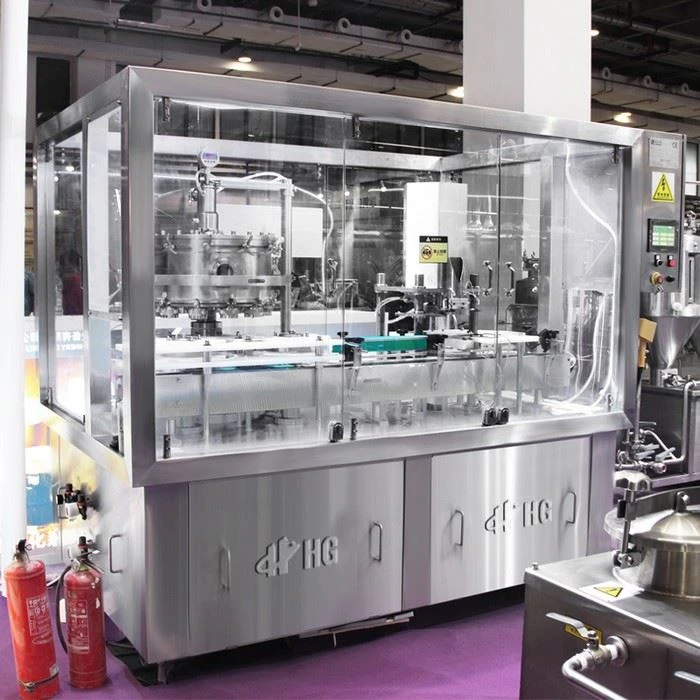
In addition to keg cleaners, we also offer a range of related products that can enhance the keg cleaning and filling process. For example, our Beer Keg Filling Machine is designed to fill kegs with beer quickly and accurately, ensuring a consistent and high-quality filling process. Our 12 Heads Cans Beer Isobaric Filling Machine is suitable for filling beer into cans, providing a reliable and efficient solution for canning operations. And our 16 Heads High Quantity Glass Bottle Beer Filler Plant For Small Beer Filling Machine is ideal for filling glass bottles with beer, offering a high-capacity and precise filling solution for small-scale beer production.
Contact Us for More Information
If you have any questions about the best temperature for using a keg cleaner or if you are interested in our keg cleaner products and related equipment, please feel free to contact us. We have a team of experts who can provide you with detailed information and guidance to help you make the right choices for your business. We look forward to the opportunity to work with you and help you achieve the best results in your keg cleaning and filling operations.

References
- "Principles of Keg Cleaning and Sanitization" - Brewers Association
- "Temperature Effects on Chemical Reactions in Cleaning Solutions" - Journal of Chemical Engineering
- "Best Practices for Keg Maintenance and Cleaning" - International Keg Association


