

When it comes to keg fillers, understanding the power source requirements is crucial for both efficiency and functionality. As a leading keg fillers supplier, we've delved deep into this topic to ensure our customers are well - informed.
1. Electrical Power Sources
Most modern keg fillers rely on electrical power. This is due to its convenience, reliability, and the ability to power a wide range of components within the machine.
Single - Phase Electricity
For smaller keg fillers, especially those designed for small breweries or home - brewing setups, single - phase electricity is often sufficient. Single - phase power is the standard power supply in most residential and small commercial buildings. It typically operates at 120V or 240V, depending on the region.
These keg fillers are usually less complex and have lower power requirements. They are ideal for low - volume production, where the filling process is not as rapid. For example, a small - scale craft brewery that produces a limited amount of beer each day might opt for a keg filler that runs on single - phase electricity. This type of power source is easy to connect to existing electrical systems, reducing installation costs and complexity. You can find more information about small - scale filling solutions on our 4 - 4 - 1 Type Of Beer Filling Machine For Small Brewery page.
Three - Phase Electricity
Larger keg fillers, designed for high - volume commercial breweries, often require three - phase electricity. Three - phase power provides a more consistent and powerful energy supply compared to single - phase. It is capable of handling the heavy - duty motors and pumps needed for rapid and continuous filling operations.
Three - phase systems typically operate at higher voltages, such as 208V, 230V, or 480V. The increased power allows the keg fillers to fill kegs at a much faster rate, which is essential for large - scale production. For instance, a large brewery that produces thousands of kegs of beer per day will benefit from the efficiency and power provided by a three - phase electrical system. Our Brewery Canning Machine page also showcases some of our high - capacity equipment that often uses three - phase power.
2. Compressed Air
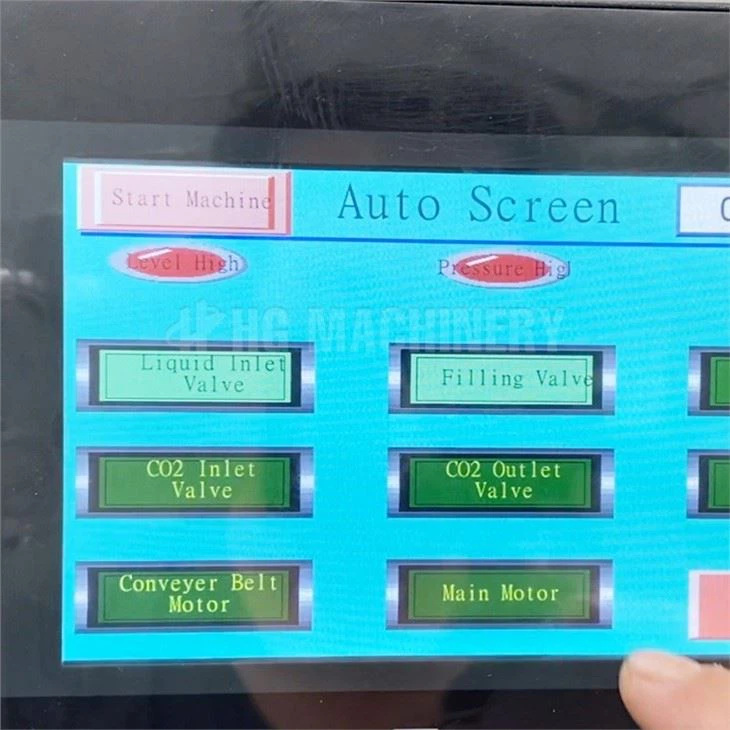
In addition to electrical power, many keg fillers also require compressed air. Compressed air is used for various functions within the filling process, such as controlling valves, operating pneumatic cylinders, and providing the force needed to push the beer into the kegs.
Air Compressors
To generate compressed air, an air compressor is required. The size and capacity of the air compressor depend on the specific requirements of the keg filler. Smaller keg fillers may be able to use a relatively small, portable air compressor, while larger, high - speed machines need more powerful, industrial - grade compressors.
The air compressor needs to maintain a consistent air pressure to ensure accurate and efficient filling. If the air pressure fluctuates, it can lead to inconsistent filling levels or even damage to the keg filler components. Regular maintenance of the air compressor is also essential to prevent breakdowns and ensure the longevity of the system.
Air Quality
The quality of the compressed air is also crucial. Contaminants such as moisture, oil, and dust can affect the performance of the keg filler and the quality of the beer. Therefore, air filtration systems are often installed to remove these contaminants. Dryers are used to remove moisture, while oil separators and filters are used to remove oil and dust particles.
3. Hydraulic Power
Some advanced keg fillers may use hydraulic power for certain functions. Hydraulic systems are known for their ability to generate high forces with relatively small components.
Hydraulic Pumps
Hydraulic pumps are used to generate the pressure needed to operate hydraulic cylinders within the keg filler. These cylinders can be used for tasks such as lifting and positioning the kegs, as well as controlling the filling nozzles.
Hydraulic systems offer precise control over the movement and force applied, which is beneficial for ensuring accurate filling and minimizing spillage. However, they require regular maintenance to prevent leaks and ensure the proper functioning of the hydraulic fluid.
4. Considerations for Choosing the Right Power Source
When choosing a keg filler, it's important to consider the power source requirements in relation to your specific needs.
Production Volume
If you have a small - scale operation with low production volumes, a keg filler that runs on single - phase electricity may be sufficient. It will be more cost - effective and easier to install. On the other hand, if you have a large - scale brewery with high production volumes, a three - phase electrical system or a combination of electrical and hydraulic power may be necessary to meet the demand.
Space and Infrastructure
The available space and existing infrastructure at your brewery also play a role in power source selection. If you have limited space, a compact keg filler that uses single - phase electricity or compressed air may be a better choice. Additionally, if your brewery already has a three - phase electrical system or an air compressor, it may be more practical to choose a keg filler that can utilize these existing resources.
Budget
The cost of the power source and its associated equipment is an important consideration. Single - phase electrical systems are generally less expensive to install and operate compared to three - phase systems. Similarly, smaller air compressors are more affordable than large, industrial - grade ones. However, it's important to balance the initial cost with the long - term efficiency and productivity of the keg filler.
5. Our Keg Filler Offerings
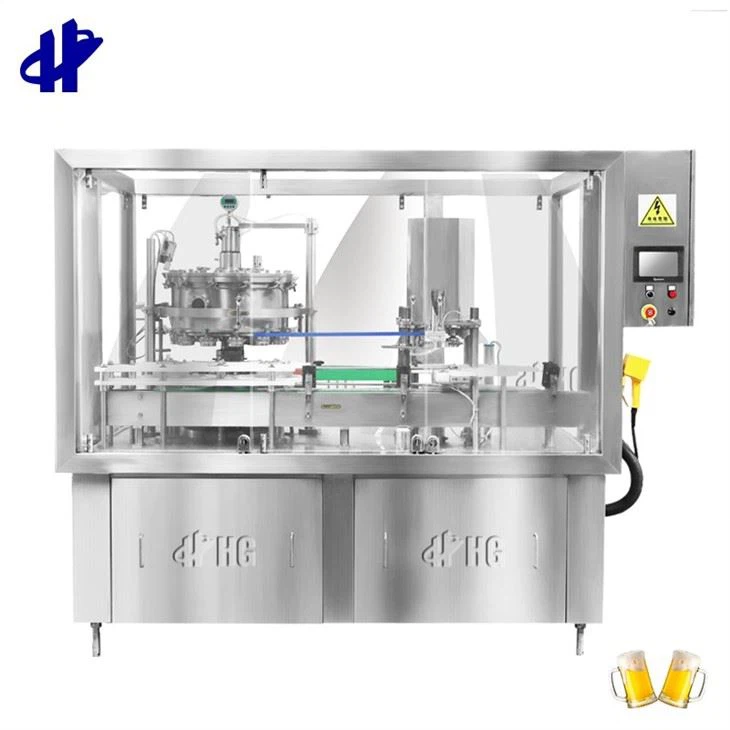
As a keg fillers supplier, we offer a wide range of keg fillers to meet different power source requirements and production needs. Our Two Head Keg Filler is a popular choice for medium - sized breweries. It can be configured to run on different power sources, providing flexibility for our customers.
Whether you need a small, single - phase keg filler for your home brewery or a large, high - speed three - phase machine for your commercial operation, we have the expertise and products to meet your needs. Our team of experts can help you select the right keg filler and power source combination based on your specific requirements.
6. Contact Us for Procurement
If you're interested in learning more about our keg fillers and their power source requirements, or if you're ready to make a purchase, we encourage you to reach out to us. Our sales team is available to answer your questions, provide detailed product information, and assist you in the procurement process. We look forward to working with you to find the perfect keg filler solution for your brewery.
References
- "Beer Brewing Technology" by John Bamforth
- "Industrial Power Systems Handbook" by Theodore Wildi


