

A swimming pool is a wonderful addition to any home or commercial establishment, providing a refreshing and enjoyable way to relax and exercise. However, maintaining the right water temperature can be a challenge, especially in cooler climates or during off - peak seasons. One solution that has gained popularity in recent years is the use of a buffer tank in a swimming pool heating system. As a buffer tank supplier, I am here to explore whether a buffer tank can be effectively used in a swimming pool heating system and the benefits it brings.
How a Swimming Pool Heating System Works
Before delving into the role of a buffer tank, it's essential to understand how a typical swimming pool heating system operates. Most swimming pool heating systems use a heat source, such as a gas heater, electric heater, or a heat pump. The heat source warms the water, which is then circulated through the pool via a pump. The pump ensures that the heated water is evenly distributed throughout the pool, maintaining a consistent temperature.
However, these heating systems often face challenges. For example, sudden changes in demand, such as when multiple people enter the pool or when the outside temperature drops, can cause the heating system to work harder and potentially wear out faster. This is where a buffer tank can play a crucial role.
What is a Buffer Tank?
A buffer tank is a storage vessel that holds a volume of heated water. It acts as a reservoir, storing excess heat energy produced by the heating system during periods of low demand and releasing it when the demand for heat increases. In the context of a swimming pool heating system, a buffer tank can help to smooth out the fluctuations in heat demand, reducing the stress on the heating system and improving its overall efficiency.
Benefits of Using a Buffer Tank in a Swimming Pool Heating System
1. Improved Energy Efficiency
One of the primary benefits of using a buffer tank is improved energy efficiency. When a heating system operates without a buffer tank, it often has to cycle on and off frequently to meet the changing heat demand. This cycling not only consumes more energy but also reduces the lifespan of the heating equipment. A buffer tank allows the heating system to run in longer, more consistent cycles. It can heat the water in the buffer tank during off - peak hours when energy costs are lower, and then use this stored heat to meet the pool's demand during peak hours. This way, the system doesn't have to work as hard, resulting in significant energy savings over time.
2. Extended Equipment Lifespan
As mentioned earlier, frequent cycling of the heating system can cause wear and tear on the equipment. By using a buffer tank to reduce the number of on - off cycles, the stress on the heating equipment is minimized. This can extend the lifespan of the heater, pump, and other components of the swimming pool heating system, saving you money on replacement and maintenance costs in the long run.

3. Consistent Water Temperature
A buffer tank helps to maintain a more consistent water temperature in the pool. When there is a sudden increase in heat demand, such as when a large number of swimmers enter the pool, the buffer tank can supply the additional heat needed without causing a significant drop in the pool's water temperature. This ensures a more comfortable swimming experience for users.
4. Compatibility with Different Heating Sources
Buffer tanks are highly versatile and can be used with various types of heating sources, including gas heaters, electric heaters, and heat pumps. Whether you have an existing swimming pool heating system or are planning a new installation, a buffer tank can be easily integrated into the setup.
Considerations When Using a Buffer Tank in a Swimming Pool Heating System
1. Sizing
Proper sizing of the buffer tank is crucial for its effective operation. If the buffer tank is too small, it won't be able to store enough heat to meet the pool's demand during peak periods. On the other hand, an oversized buffer tank can be wasteful and may not provide any additional benefits. Factors such as the size of the pool, the heating capacity of the system, and the expected heat demand should be considered when determining the appropriate size of the buffer tank.
2. Installation
The installation of a buffer tank should be carried out by a professional. The buffer tank needs to be connected correctly to the heating system and the pool's circulation system to ensure proper operation. Additionally, proper insulation of the buffer tank is essential to minimize heat loss.
3. Maintenance
Like any other component of a swimming pool heating system, a buffer tank requires regular maintenance. This includes checking for leaks, inspecting the insulation, and ensuring that the controls and valves are functioning properly. Regular maintenance will help to ensure the longevity and efficiency of the buffer tank.
Real - World Applications and Examples
In commercial swimming pools, such as those in hotels or fitness centers, buffer tanks have been widely adopted. These large - scale pools often experience significant fluctuations in heat demand throughout the day, depending on the number of users. A buffer tank can help to manage these fluctuations effectively, ensuring a comfortable swimming environment for guests while also reducing operating costs.
For example, a hotel with a large outdoor swimming pool may experience a high demand for heat in the evenings when guests are more likely to use the pool. By using a buffer tank, the hotel can heat the water in the tank during the day when energy costs are lower and use this stored heat to maintain the pool temperature in the evening. This not only saves energy but also reduces the wear and tear on the heating equipment.
Related Products and Links
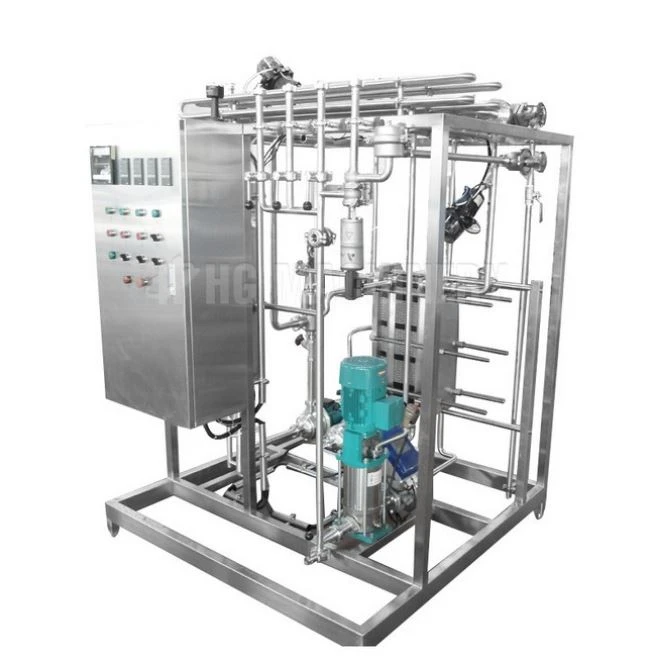
If you are interested in other related products, we also offer a range of high - quality items. For example, you can check out our Chiller, which can be used in various cooling applications. We also have Stainless Steel 20L 30L 50L Beer Keg Barrel for those in the beverage industry. And for pasteurization needs, our Flash HTST Pasteurizer is a reliable option.
Conclusion
In conclusion, a buffer tank can be an excellent addition to a swimming pool heating system. It offers numerous benefits, including improved energy efficiency, extended equipment lifespan, consistent water temperature, and compatibility with different heating sources. However, proper sizing, installation, and maintenance are essential for its effective operation.
If you are considering using a buffer tank in your swimming pool heating system or have any questions about our buffer tank products, we encourage you to reach out for a procurement discussion. We are committed to providing you with the best solutions to meet your needs and ensure the optimal performance of your swimming pool heating system.
References
- ASHRAE Handbook of Heating, Ventilating, and Air - Conditioning Systems and Equipment.
- Pool & Spa News Magazine.
- Technical papers on energy - efficient swimming pool heating systems.


