

Manholes are an essential part of urban infrastructure, providing access to underground utilities such as sewage systems, water pipes, and electrical cables. However, maintenance work on manholes often leads to significant traffic disruptions, causing inconvenience to commuters and businesses. As a manhole supplier, I understand the importance of designing manholes that minimize these disruptions. In this blog post, I will discuss several strategies that can be employed to achieve this goal.
Pre - planning and Scheduling
One of the most effective ways to reduce traffic disruptions during manhole maintenance is through meticulous pre - planning and scheduling. Maintenance work should be scheduled during off - peak hours, such as late at night or early in the morning when traffic volume is typically lower. By doing so, the impact on daily commuting patterns can be minimized.
Local transportation authorities should be involved in the planning process. They can provide valuable insights into traffic flow patterns, peak hours, and alternative routes. This collaboration allows for the development of a comprehensive traffic management plan that includes detours, signage, and traffic control measures. For example, temporary traffic signals can be installed near the maintenance site to regulate the flow of vehicles safely.
Modular Manhole Design
A modular manhole design offers significant advantages in terms of reducing maintenance time. Instead of having a monolithic structure, modular manholes are composed of pre - fabricated sections that can be easily assembled and disassembled. This means that when maintenance is required, only the affected module needs to be removed and replaced, rather than the entire manhole.

The use of standardized modules also simplifies the manufacturing process, ensuring that replacement parts are readily available. This reduces the time spent waiting for custom - made components, which can significantly delay the completion of maintenance work. For instance, if a particular section of the manhole has a damaged lining, the corresponding modular piece can be quickly swapped out, minimizing the time the manhole is out of service and traffic is disrupted.
Quick - Access Manhole Covers
Traditional manhole covers can be heavy and difficult to remove, requiring specialized equipment and a significant amount of time. Quick - access manhole covers are designed to address this issue. These covers can be opened and closed more easily, either through a simple locking mechanism or a lightweight design.
Some quick - access covers are equipped with a lever - operated system that allows workers to lift the cover with minimal effort. Others are made from lightweight materials such as composite plastics, which not only reduce the weight but also offer corrosion resistance. By reducing the time it takes to access the manhole, quick - access covers enable maintenance crews to start and finish their work more rapidly, thus minimizing traffic disruptions.
Remote Monitoring and Inspection Technologies
The implementation of remote monitoring and inspection technologies can help detect manhole problems before they become critical. Sensors can be installed inside the manhole to monitor various parameters such as water level, temperature, and structural integrity. Any abnormal readings can be transmitted wirelessly to a central monitoring station.
This proactive approach allows maintenance teams to plan their work in advance and schedule it during low - traffic periods. For example, if a sensor detects a slow leak in the sewage system within the manhole, maintenance can be scheduled well in advance, rather than waiting for a major failure that could cause a sudden and extended disruption to traffic. Remote inspection technologies, such as robotic cameras, can also be used to assess the condition of the manhole without the need for workers to enter the confined space, further reducing the time and complexity of the inspection process.
Use of Temporary Manhole Alternatives
During maintenance, temporary manhole alternatives can be employed to keep traffic flowing. For example, a temporary manhole cover can be installed over the open manhole. These covers are designed to support the weight of vehicles and provide a smooth surface for traffic. They can be quickly deployed and removed, allowing maintenance work to proceed while minimizing the impact on traffic.
In some cases, a bypass system can be set up to divert the flow of utilities, such as sewage or water, around the manhole being maintained. This enables the continued operation of the infrastructure while the manhole is being serviced. For instance, a temporary pipe can be installed to redirect the sewage flow, ensuring that the maintenance work does not cause any backups or disruptions to the overall system.
Training and Equipment Optimization
Well - trained maintenance crews are essential for minimizing maintenance time and traffic disruptions. Crews should be trained in the latest manhole maintenance techniques, including the proper use of quick - access covers, modular systems, and remote monitoring technologies. Regular training programs can keep the crews updated on new methods and best practices.
In addition, the use of optimized equipment can significantly improve the efficiency of maintenance work. For example, modern excavation equipment can be used to dig around the manhole more precisely and quickly. Vacuum trucks can be employed to remove debris from the manhole, reducing the need for manual labor and speeding up the cleaning process.
Industry Collaboration and Standardization
As a manhole supplier, I believe that industry collaboration and standardization play a crucial role in minimizing traffic disruptions during maintenance. By working together with other suppliers, manufacturers, and infrastructure providers, we can develop common standards for manhole design, materials, and installation methods.
Standardization ensures that replacement parts are interchangeable across different brands and models of manholes. This means that regardless of the original supplier, maintenance crews can easily find and install the necessary components. It also promotes innovation by encouraging the sharing of best practices and new technologies. For example, if one company develops a more efficient quick - access manhole cover design, this knowledge can be shared within the industry, leading to widespread adoption and improved overall performance.
Conclusion
In conclusion, minimizing traffic disruptions during manhole maintenance requires a multi - faceted approach. Through pre - planning and scheduling, modular design, quick - access covers, remote monitoring, temporary alternatives, training, and industry collaboration, we can significantly reduce the time and impact of manhole maintenance on traffic.
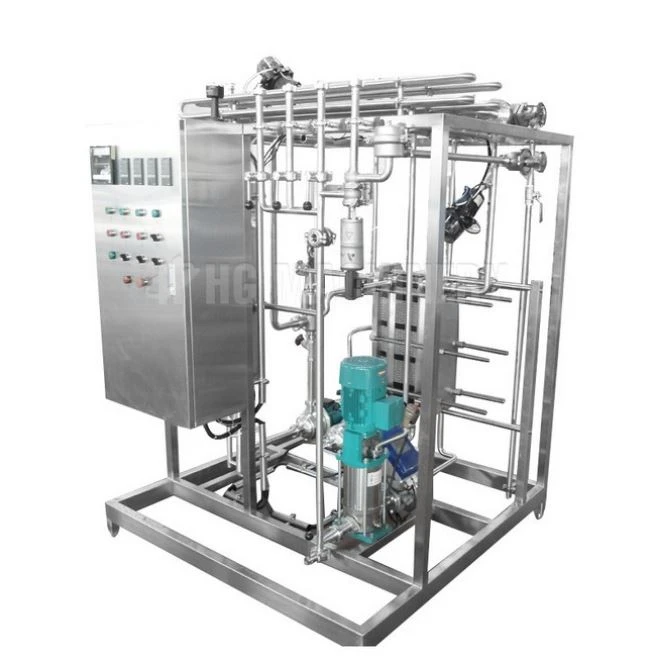
As a manhole supplier, I am committed to providing high - quality products that incorporate these design principles. Our products, such as Flash HTST Pasteurizer, Steam Boiler, and Dryer, are designed with efficiency and ease of maintenance in mind.
If you are interested in learning more about our manhole products and how they can help minimize traffic disruptions during maintenance, we encourage you to contact us for a procurement discussion. Our team of experts is ready to assist you in finding the best solutions for your infrastructure needs.
References
- Smith, J. (2018). Urban Infrastructure Maintenance: Best Practices. Journal of Urban Engineering, 15(2), 45 - 52.
- Johnson, A. (2019). The Impact of Manhole Design on Traffic Flow. Transportation Research Quarterly, 22(3), 67 - 74.
- Brown, C. (2020). Remote Monitoring Technologies for Manhole Maintenance. Infrastructure Management Review, 18(4), 89 - 96.


