

Hey there! As a supplier to beer plants, I've seen firsthand how crucial energy optimization is for these operations. In today's world, where energy costs are soaring and environmental concerns are at an all-time high, beer plants are constantly looking for ways to cut down on energy usage without sacrificing the quality of their brew. So, let's dive into how a beer plant can optimize its energy usage.
Understanding the Energy Hogs in a Beer Plant
First things first, we need to know where the energy is being guzzled in a beer plant. The main energy-consuming processes are mashing, boiling, fermentation, and cooling.
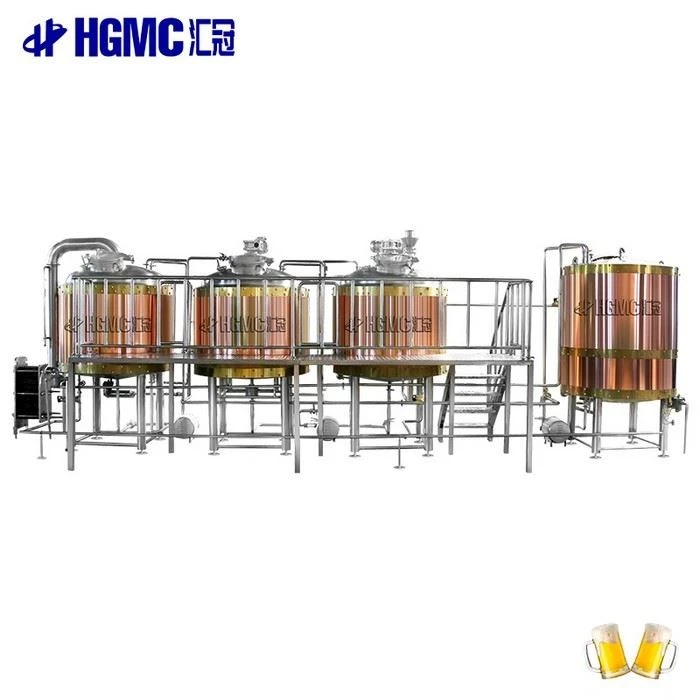
Mashing is the process where grains are mixed with hot water to convert starches into fermentable sugars. This requires a significant amount of heat, which means a lot of energy. Beer Mashing Equipment plays a key role here. Modern mashing equipment is designed to be more energy-efficient, using advanced insulation materials and heating systems to minimize heat loss.
Boiling is another energy-intensive step. During boiling, the wort (the liquid extracted from the mashing process) is boiled with hops to add flavor and sterilize the liquid. Traditional boiling methods can be quite wasteful, but new technologies are emerging that allow for more efficient boiling. For example, some systems use a combination of direct and indirect heating to reduce the overall energy consumption.
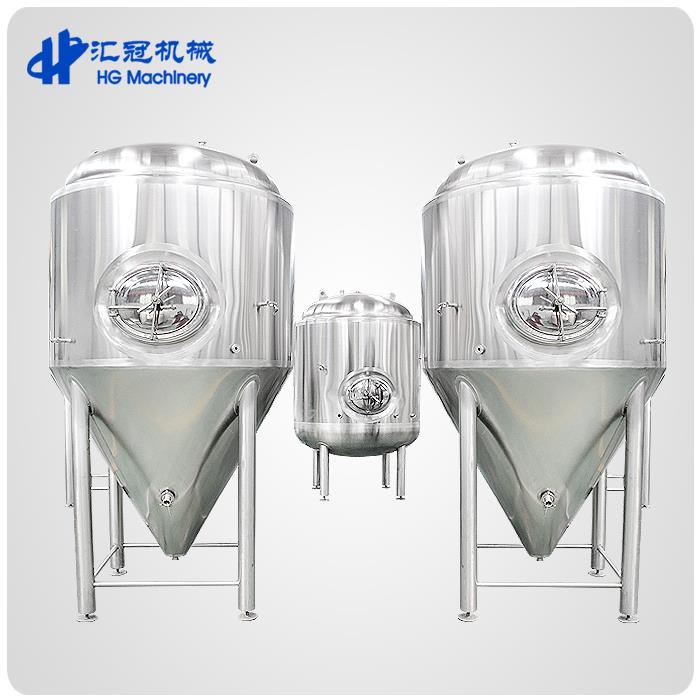
Fermentation is a biological process where yeast converts the sugars in the wort into alcohol and carbon dioxide. While fermentation itself doesn't require a huge amount of energy, maintaining the right temperature throughout the process is crucial. This is where HG 2000L Stainless Steel Industrial Fermentation Tank comes in. These tanks are designed with excellent insulation properties to keep the temperature stable, reducing the need for constant heating or cooling.
Cooling is essential after boiling and fermentation to stop the yeast activity and prepare the beer for packaging. Cooling systems can be major energy consumers, but there are ways to optimize them. For instance, using heat exchangers to recover heat from the hot wort and use it for preheating water in other parts of the process can significantly reduce energy usage.
Implementing Energy-Efficient Technologies
One of the most effective ways to optimize energy usage in a beer plant is to invest in energy-efficient technologies. Here are some examples:
- High-Efficiency Boilers: Upgrading to high-efficiency boilers can reduce fuel consumption and emissions. These boilers are designed to extract more heat from the fuel, resulting in less wasted energy.
- Variable Frequency Drives (VFDs): VFDs can be installed on pumps and motors to adjust their speed according to the actual demand. This means that the equipment only uses as much energy as needed, rather than running at full speed all the time.
- Solar Panels: Installing solar panels on the roof of the beer plant can generate renewable energy and reduce the reliance on the grid. Solar power can be used to power lighting, heating, and other equipment during the day.
- Waste Heat Recovery Systems: These systems capture the waste heat generated during the brewing process and use it for other purposes, such as heating water or preheating the wort. This not only reduces energy consumption but also lowers operating costs.
Optimizing Process Management
In addition to investing in energy-efficient technologies, optimizing process management can also lead to significant energy savings. Here are some tips:
- Scheduling: Planning the brewing schedule in advance can help to minimize downtime and reduce energy waste. For example, running multiple batches back-to-back can make better use of the heat and energy already in the system.
- Maintenance: Regular maintenance of equipment is essential to ensure that it is operating at peak efficiency. This includes cleaning heat exchangers, checking for leaks in pipes, and lubricating moving parts.
- Employee Training: Educating employees about energy conservation can make a big difference. Simple actions like turning off lights and equipment when not in use can add up over time.
Monitoring and Benchmarking
To ensure that the energy optimization measures are working effectively, it's important to monitor and benchmark energy usage. This involves collecting data on energy consumption, analyzing it, and comparing it to industry benchmarks. By doing so, beer plant managers can identify areas for improvement and track the progress of their energy optimization efforts.
There are many software tools available that can help with energy monitoring and benchmarking. These tools can provide real-time data on energy usage, generate reports, and even offer suggestions for further optimization.
The Role of a Supplier
As a supplier to beer plants, I play an important role in helping them optimize their energy usage. I work closely with my customers to understand their specific needs and recommend the most suitable energy-efficient equipment and technologies. I also provide training and support to ensure that the equipment is installed and operated correctly.
For example, when a beer plant is looking to upgrade its mashing equipment, I can recommend Beer Mashing Equipment that is not only energy-efficient but also meets their production requirements. I can also provide technical assistance during the installation process and offer ongoing maintenance services.
Similarly, when it comes to fermentation tanks, I can offer HG 2000L Stainless Steel Industrial Fermentation Tank with advanced insulation and temperature control features. I can help the beer plant choose the right size and configuration of tanks based on their production volume and process requirements.
Conclusion
Optimizing energy usage in a beer plant is a complex but achievable goal. By understanding the energy-consuming processes, implementing energy-efficient technologies, optimizing process management, and monitoring energy usage, beer plants can significantly reduce their energy consumption and operating costs.
As a supplier, I'm committed to helping my customers achieve their energy optimization goals. If you're a beer plant owner or manager looking to improve your energy efficiency, I'd love to have a chat with you. Feel free to reach out to me to discuss your specific needs and how we can work together to make your beer plant more sustainable and profitable.
References
- American Society of Brewing Chemists. (20XX). Energy Efficiency in Brewing Operations.
- Brewers Association. (20XX). Best Practices for Energy Conservation in Beer Production.
- International Journal of Brewing Science. (20XX). Energy Optimization Strategies in the Brewing Industry.


