

Hey there! I'm a supplier of copper bars, and today I wanna take you through the recycling process of a copper bar. It's a super interesting journey that not only helps the environment but also keeps the copper industry ticking.
Step 1: Collection
The first step in recycling copper bars is collection. We need to gather up all the used copper bars from different sources. This can include old electrical wiring, plumbing pipes, and industrial equipment that's reached the end of its useful life. Sometimes, we even get copper bars from scrapped electronic devices. We've got a network of collectors who go around to factories, construction sites, and recycling centers to pick up these copper items. It's really important to collect as much copper as we can because copper is a valuable metal, and recycling it saves a ton of energy compared to mining new copper.
Step 2: Sorting
Once we've collected the copper bars, the next step is sorting. Not all copper is the same. There are different grades and types of copper, and it's crucial to separate them. We've got people on the sorting line who use their experience and some simple tools to tell the difference between pure copper and copper alloys. For example, some copper bars might have a small amount of other metals mixed in, like zinc or tin. These alloys have different properties and uses, so we need to sort them out accurately. This way, we can make sure that each batch of copper going into the recycling process is as pure as possible.
Step 3: Cleaning
After sorting, the copper bars need a good clean. They can be covered in dirt, grease, and other contaminants from their previous use. We use a variety of cleaning methods to get rid of these impurities. Sometimes, we soak the copper bars in a special cleaning solution that dissolves the dirt and grease. Other times, we use mechanical cleaning methods, like sandblasting or wire brushing, to scrub off the surface contaminants. Cleaning is really important because any impurities left on the copper can affect the quality of the recycled copper.
Step 4: Melting
Once the copper bars are clean, it's time to melt them down. We put the sorted and cleaned copper bars into a furnace. The furnace is heated to a very high temperature, usually around 1,084 degrees Celsius, which is the melting point of copper. As the copper bars heat up, they turn into a liquid state. This molten copper is then poured into molds to form new copper bars or other shapes. During the melting process, we also add some flux to the furnace. Flux is a substance that helps remove any remaining impurities from the molten copper and makes it easier to pour and shape.
Step 5: Refining
After melting, the copper might still have some small amounts of impurities. That's where refining comes in. We use different refining methods to purify the copper further. One common method is electrolytic refining. In this process, the molten copper is made into an anode, and a thin sheet of pure copper is used as the cathode. The anode and cathode are placed in an electrolyte solution, and an electric current is passed through the solution. As the current flows, the copper from the anode dissolves into the solution and is deposited on the cathode as pure copper. This process can remove even the tiniest impurities from the copper, resulting in high - quality recycled copper.
Step 6: Casting
Once the copper has been refined, it's ready to be cast into new copper bars. The refined molten copper is poured into special molds that are shaped like copper bars. As the copper cools and solidifies in the molds, it takes on the shape of the bars. We can also control the size and dimensions of the new copper bars by using different molds. After casting, the new copper bars are removed from the molds and allowed to cool completely.
Step 7: Quality Control
Before the recycled copper bars are ready to be sold, we conduct a thorough quality control check. We test the new copper bars for their chemical composition, physical properties, and appearance. We use advanced testing equipment, like spectrometers, to analyze the chemical composition of the copper bars and make sure they meet the required standards. We also check the bars for any surface defects, like cracks or pits. Only the copper bars that pass our strict quality control tests are sent out to our customers.
Now, you might be wondering why recycling copper bars is so important. Well, recycling copper saves a huge amount of energy. Mining and refining new copper from ore is a very energy - intensive process. By recycling copper bars, we can reduce the energy consumption and the environmental impact associated with copper production. It also helps conserve natural resources. Copper is a finite resource, and by recycling it, we can make sure that we use it more efficiently.
If you're in the market for high - quality recycled copper bars, I'd love to talk to you. Whether you're in the electrical, plumbing, or manufacturing industry, our recycled copper bars can meet your needs. Just reach out, and we can start a conversation about your requirements.

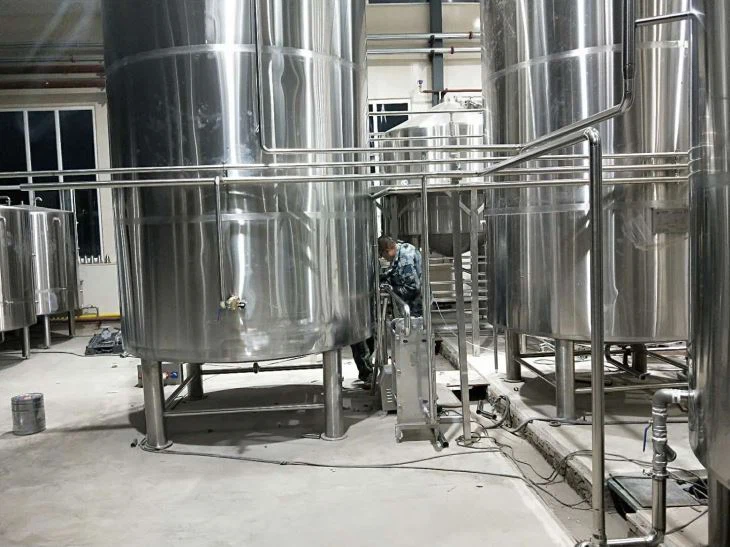
If you're also interested in other industrial processes, you might want to check out these links: How To Brew Beer With 1BBL Brewery Equipment, Beer Brewing Brewery Tanks, and 3000L Brewery Equipment From HG Machinery.
References
- "Copper Recycling: An Overview" - Copper Development Association
- "The Basics of Metal Recycling" - Institute of Scrap Recycling Industries


