

Hey there! As a buffer tank supplier, I often get asked about how to check the pressure in a buffer tank. It's a crucial aspect of maintaining these tanks, ensuring they work efficiently and safely. In this blog, I'll walk you through the process step by step.
First off, let's understand why checking the pressure in a buffer tank is so important. A buffer tank acts as a storage unit for hot water in a heating system. It helps to balance out the flow of water and maintain a consistent temperature. If the pressure in the tank is too high or too low, it can lead to a whole bunch of problems. For example, low pressure might mean that the tank isn't able to store enough water, while high pressure could cause leaks or even damage the tank itself.
So, how do you go about checking the pressure? Well, the first thing you'll need is a pressure gauge. This is a simple tool that measures the pressure inside the tank. You can usually find a pressure gauge on the side of the buffer tank. It's a small device with a dial that shows the pressure reading.
Before you start checking the pressure, make sure the heating system is turned off. This is really important for your safety. You don't want to be working on a hot and pressurized system. Once the system is off, wait for a little while to let the water cool down. This will give you a more accurate pressure reading.
Now, take a look at the pressure gauge. The gauge will have markings that indicate the normal pressure range for the buffer tank. This range can vary depending on the size and type of the tank, but generally, it should be somewhere between 1 and 3 bar. If the pressure reading is outside of this range, you'll need to take action.
If the pressure is too low, it could be due to a few different reasons. One common cause is a leak in the system. Check all the pipes and connections for any signs of water leakage. If you find a leak, you'll need to fix it as soon as possible. Another reason for low pressure could be that the expansion vessel in the tank is not working properly. The expansion vessel is a part of the tank that helps to regulate the pressure. If it's faulty, it might need to be replaced.
On the other hand, if the pressure is too high, it could be because the heating system is overheating. Check the thermostat to make sure it's set at the correct temperature. If the thermostat is set too high, it could be causing the water in the tank to get too hot and increase the pressure. You might also want to check the relief valve on the tank. The relief valve is designed to release excess pressure if it gets too high. If the relief valve is not working properly, it could be causing the pressure to build up.
Once you've checked the pressure and made any necessary adjustments, turn the heating system back on. Wait for a little while and then check the pressure again. Make sure it's within the normal range. If it's still not right, you might need to call in a professional. They'll have the expertise and tools to diagnose and fix any problems with the buffer tank.
In addition to regular pressure checks, it's also a good idea to have your buffer tank serviced regularly. A professional technician can perform a thorough inspection of the tank and make sure everything is in good working order. They can also check for any potential problems and address them before they become major issues.
Now, let's talk a bit about the different types of buffer tanks we offer as a supplier. We have a wide range of buffer tanks to suit different needs and applications. Whether you're looking for a small buffer tank for a domestic heating system or a large one for an industrial application, we've got you covered.
One of the benefits of choosing our buffer tanks is that they are made from high-quality materials. We use [specific materials] to ensure durability and reliability. Our tanks are also designed to be energy-efficient, which can help you save on your heating costs in the long run.
If you're in the market for a buffer tank, you might also be interested in some of our other products. We also supply Steam Boiler, which are essential for many industrial and commercial applications. Our steam boilers are designed to be efficient and reliable, providing a consistent supply of steam.
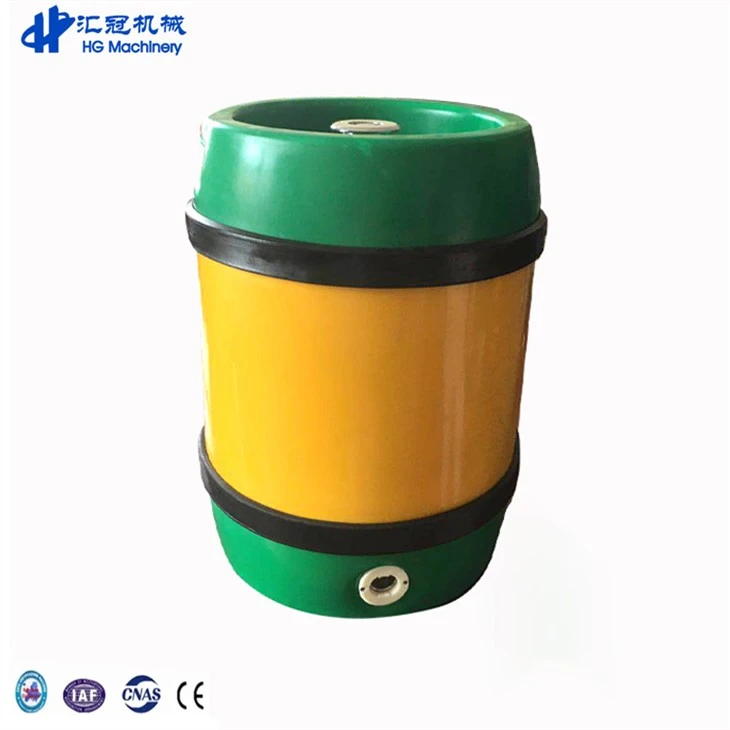
Another product we offer is the Plastic Beer Keg Beer Keg. These kegs are perfect for breweries and bars. They are made from high-quality plastic and have excellent insulation properties, which helps to keep the beer at the right temperature.
We also have Stainless Steel 20L 30L 50L Beer Keg Barrel. These kegs are made from stainless steel, which is durable and easy to clean. They come in different sizes to suit your needs.

If you're interested in any of our products, or if you have any questions about checking the pressure in a buffer tank, don't hesitate to get in touch. We're here to help you find the right solutions for your needs. Whether you're a homeowner, a business owner, or a contractor, we can provide you with the products and support you need.
In conclusion, checking the pressure in a buffer tank is an important part of maintaining a heating system. By following the steps I've outlined in this blog, you can ensure that your buffer tank is working efficiently and safely. And if you're in the market for a new buffer tank or any of our other products, we'd love to hear from you. Contact us today to start the conversation and explore your options.
References
- [List any relevant industry standards, manuals, or books here]
- [If you used any specific research or data, list the sources]


