

What are the differences between a commercial brewhouse and a home - brewhouse?
As a supplier in the brewhouse industry, I've witnessed firsthand the unique characteristics and disparities between commercial brewhouses and home - brewhouses. These two types of brewing setups serve different purposes, cater to distinct audiences, and possess their own sets of advantages and limitations.
Scale of Production
One of the most obvious differences between commercial and home brewhouses lies in the scale of production. A commercial brewhouse is designed to produce large quantities of beer to meet the demands of a market. These facilities can produce anywhere from hundreds to thousands of barrels of beer per year. For instance, a medium - sized commercial brewery might produce around 10,000 barrels annually. They are equipped with large - scale brewing vessels that can handle large volumes of ingredients and produce consistent batches of beer. Our 15 Barrel Brewing System is a prime example of equipment suitable for commercial operations that require a moderate production capacity.
On the other hand, home - brewhouses are typically intended for personal use or small gatherings. The production volume is significantly lower, often measured in gallons or liters. Homebrewers usually produce batches ranging from 5 to 20 liters at a time. This small - scale production allows homebrewers to experiment with different recipes and brewing techniques without the risk of wasting large amounts of ingredients.
Equipment Complexity and Cost
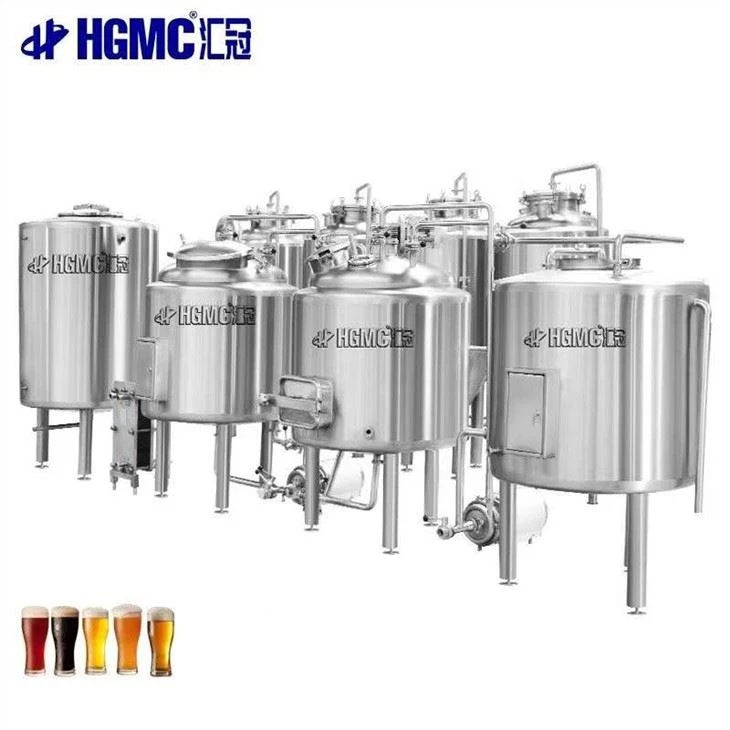
Commercial brewhouses are equipped with highly complex and sophisticated equipment. They often feature multiple vessels such as mash tuns, lauter tuns, brew kettles, and fermenters, all connected by a network of pipes and valves. These systems are automated to a large extent, allowing for precise control of temperature, pressure, and other brewing parameters. The 2000L Beer Brewery Equipment is a comprehensive setup that includes all the necessary components for large - scale commercial brewing. The cost of commercial brewing equipment can be extremely high, running into hundreds of thousands or even millions of dollars, depending on the size and complexity of the system.
In contrast, home - brewing equipment is relatively simple and affordable. A basic home - brewhouse may consist of a single pot for mashing and boiling, a fermenter, and some basic utensils. There are also more advanced home - brewing kits available that include multiple vessels and some level of automation, but even these are far less expensive than commercial equipment. For homebrewers looking to start small, our 200l 300l 500l Beer Micro Brewing Equipment offers a cost - effective solution.
Regulatory Requirements
Commercial brewhouses are subject to a wide range of regulatory requirements. These include obtaining licenses from local, state, and federal authorities, complying with health and safety regulations, and adhering to strict quality control standards. Breweries must also pay taxes on the beer they produce, which can be a significant financial burden. Failure to comply with these regulations can result in fines, closure of the business, or other legal consequences.
Home - brewing, in most countries, is legal for personal use and is subject to far fewer regulations. Homebrewers are generally not required to obtain licenses or pay taxes on the beer they produce as long as it is for personal consumption and not for sale. This makes home - brewing a more accessible and hassle - free option for beer enthusiasts.
Recipe Development and Innovation
Commercial brewers often have to balance innovation with market demand. While they may experiment with new recipes, they also need to ensure that the beers they produce are appealing to a wide range of consumers. They may conduct market research to identify trends and preferences and develop recipes accordingly. Once a successful recipe is developed, they need to be able to reproduce it consistently in large batches.

Homebrewers, on the other hand, have the freedom to be more creative and experimental. They can try out new ingredients, brewing techniques, and flavor combinations without the pressure of market demand. This allows homebrewers to develop unique and personalized beers that may not be available commercially.
Business Considerations
Commercial brewhouses are businesses, and as such, they need to focus on profitability, marketing, and distribution. They need to build a brand, establish a customer base, and develop a distribution network to get their products to market. This requires significant investment in marketing, sales, and logistics.
Home - brewing is primarily a hobby, and while some homebrewers may participate in home - brewing competitions or share their beers with friends and family, it is not typically a source of income. Homebrewers can enjoy the process of brewing without the stress of running a business.
Quality Control
Commercial brewers place a high emphasis on quality control. They use advanced laboratory equipment to test the chemical and physical properties of the beer, such as alcohol content, bitterness, and color. They also have strict quality control procedures in place to ensure that every batch of beer meets the same high standards. This is essential for maintaining customer satisfaction and brand reputation.
Homebrewers may also pay attention to quality, but their methods are often less sophisticated. They may rely on visual inspection, taste testing, and basic brewing knowledge to assess the quality of their beer. While home - brewed beer can be of excellent quality, it may not always be as consistent as commercially produced beer.
In conclusion, commercial brewhouses and home - brewhouses serve different needs and have their own unique characteristics. Whether you are a budding entrepreneur looking to start a brewery or a beer enthusiast interested in home - brewing, understanding these differences is crucial. If you are considering purchasing brewing equipment, whether for commercial or home use, we are here to help. Our team of experts can provide you with detailed information about our products and assist you in choosing the right equipment for your needs. Contact us today to start your brewing journey.
References
- Daniels, Ray. "Designing Great Beers: The Ultimate Guide to Brewing Classic Beer Styles." Brewers Publications, 1996.
- Fix, George J. "Principles of Brewing Science." Brewers Publications, 1999.
- Lewis, Michael J., and Tom W. Young. "Brewing." Kluwer Academic/Plenum Publishers, 2001.


